Is We Work Remotely Legit? A 2026 Review
If you’re searching for remote jobs, chances are you’ve come across We Work Remotely — and you might be wondering whether it’s actually legit or just another job site that isn’t worth your time.
Short answer: yes. We Work Remotely (WWR) is a legitimate and well-established remote job board. It has been operating for over a decade, is used by real companies around the world, and is widely recognized in the remote hiring space. While it isn’t perfect, it’s a real platform that many job seekers use successfully, as long as you understand how it works.
This review covers how We Work Remotely works for job seekers, job quality, safety, pricing, pros and cons, and whether it’s worth using in 2026.
What Is We Work Remotely?
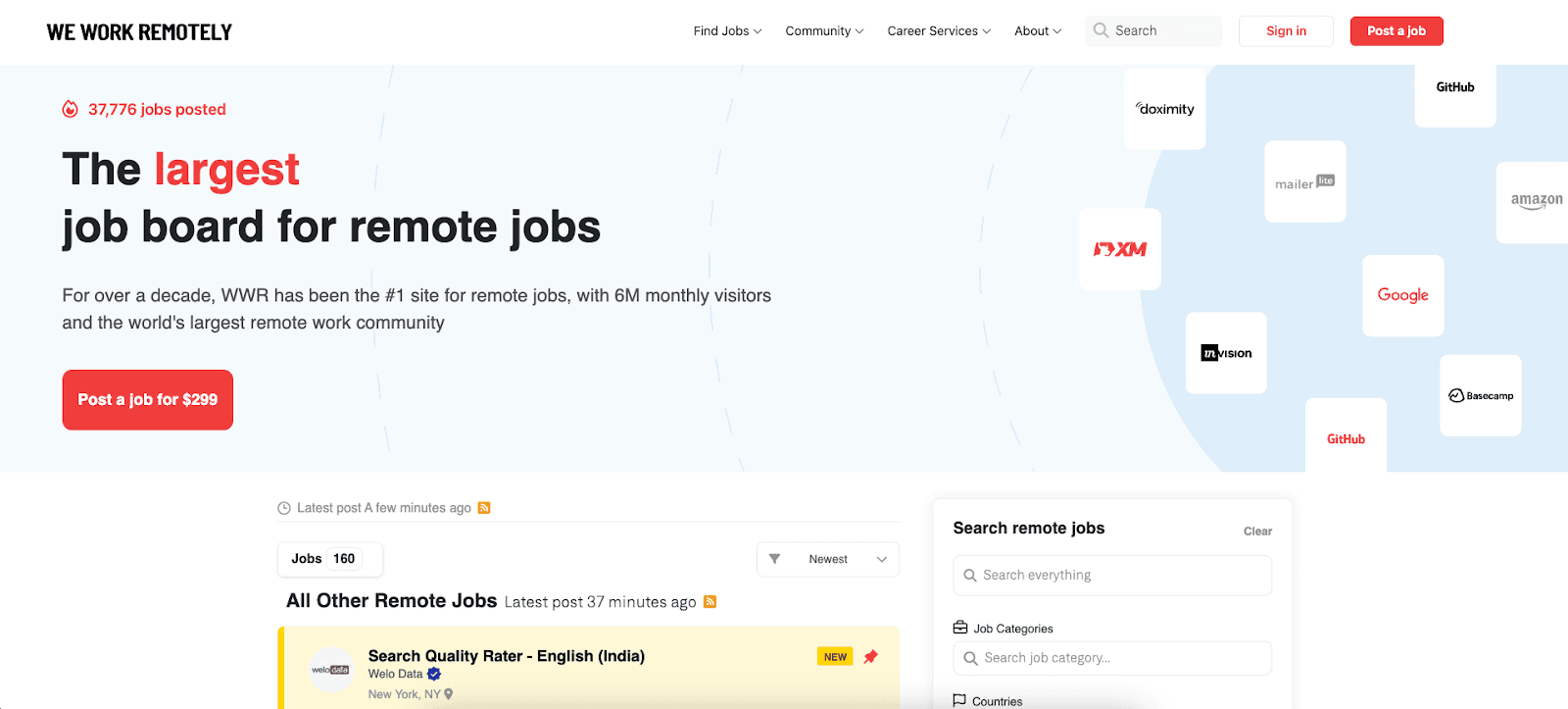
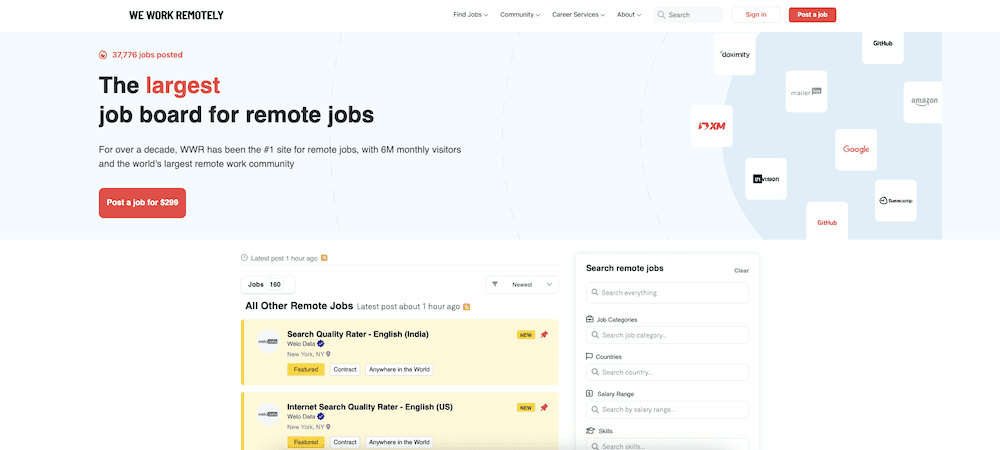
We Work Remotely is one of the largest job boards focused exclusively on remote work. Founded in 2013, it connects remote-first and remote-friendly companies with candidates across roles such as software engineering, design, marketing, product, customer support, and operations.
Unlike many job sites, We Work Remotely does not scrape listings from other platforms. Employers submit job posts directly, and the site has built a large, global audience of remote job seekers over time.
Is We Work Remotely Legit?
Yes, We Work Remotely is legit.
Several factors support its legitimacy:
It has been operating continuously since 2013
Employers pay to post jobs, which helps reduce low-quality listings
The platform is widely referenced across the remote work ecosystem
Job seekers are never required to pay to be hired
The presence of paid job seeker features does not make the platform illegitimate. However, it’s important to understand how access and pricing work, which is explained below.
Rather not apply to everything by hand?
We Work Remotely still leaves the applying to you. JobCopilot works differently: upload your resume once and it applies to matched remote roles for you every day, so you can spend your time on interviews instead of application forms. See how it works.
How We Work Remotely Works for Job Seekers
From a candidate perspective, the platform is relatively straightforward:
1. Browse remote jobs by category or keyword
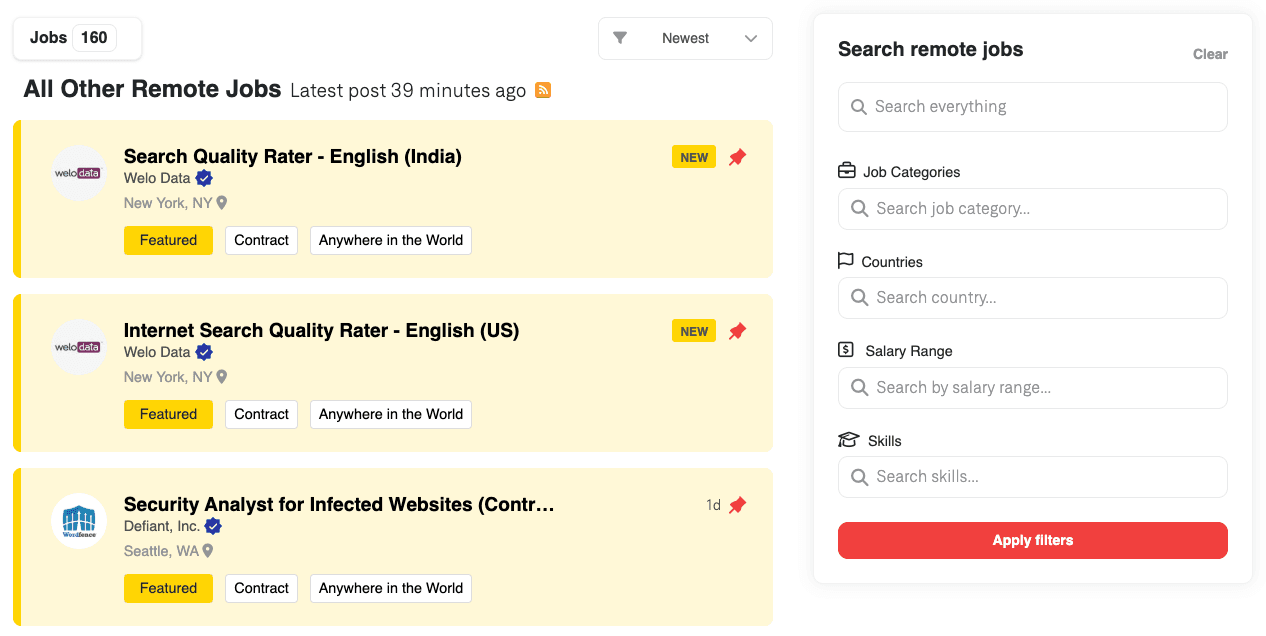
2. Open listings to review role details, requirements, and location restrictions
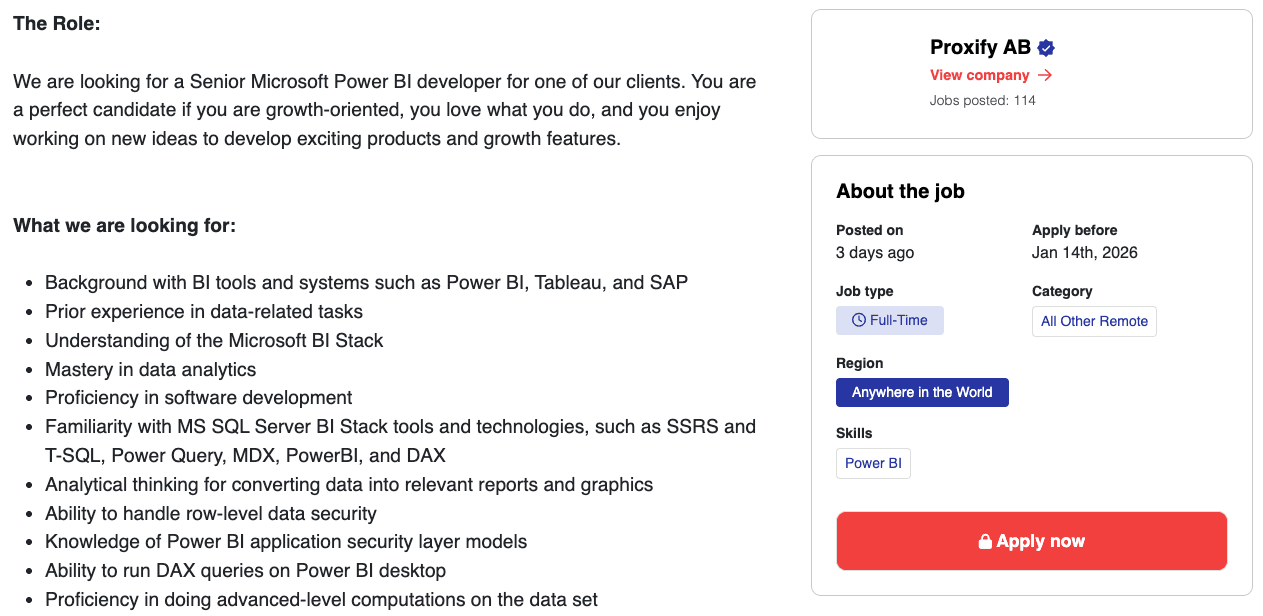
3. Create a job seeker account to unlock full access
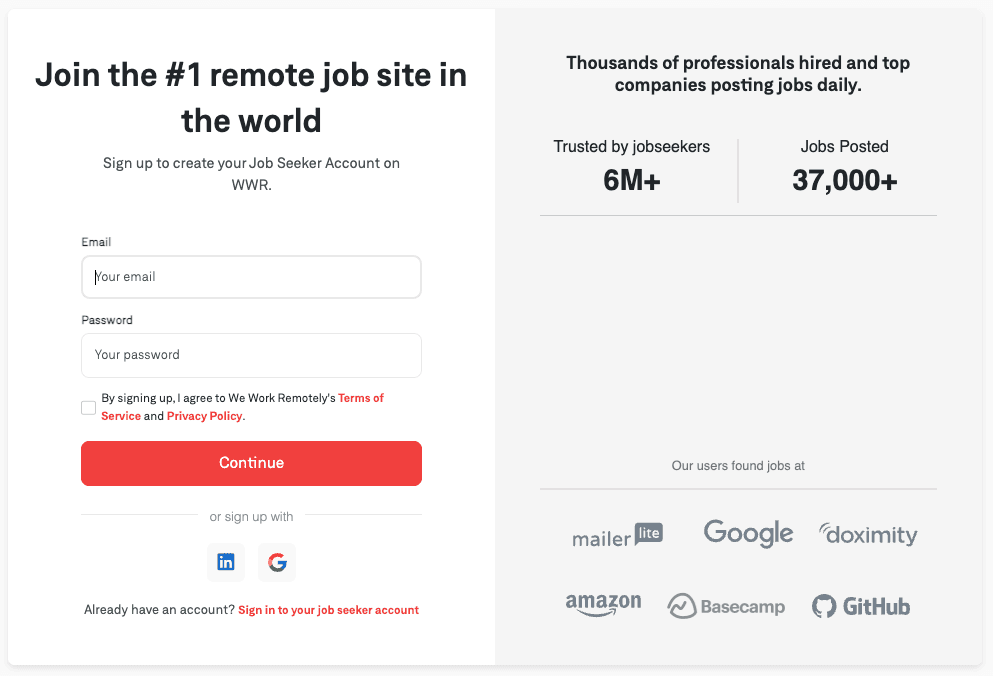
4. Apply using the employer’s preferred method
We Work Remotely emphasizes simplicity. Many listings direct candidates to apply via the company’s own website or applicant tracking system rather than applying directly on WWR.
As of 2026, creating a job seeker account with subscription access is required for full browsing and application functionality.
Job Quality and Companies on We Work Remotely
We Work Remotely is best known for professional and tech-focused roles. You’ll commonly find jobs in:
Software engineering and development
Product and project management
Design and UX
Marketing, growth, and content
Customer support and operations
Many employers using the platform are remote-first companies, and roles often offer competitive compensation. Because of the platform’s popularity, competition can be high, especially for well-paid or fully location-independent roles.
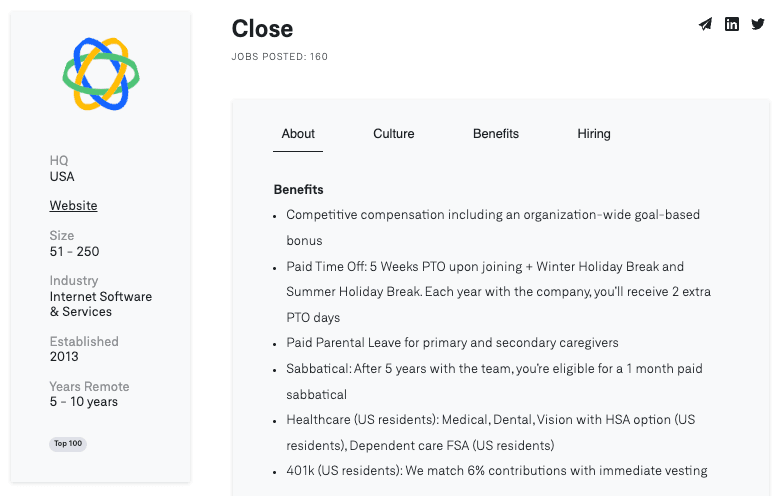
Salary transparency varies by employer. Some listings include clear salary ranges, while others do not.

Is We Work Remotely Free for Job Seekers?
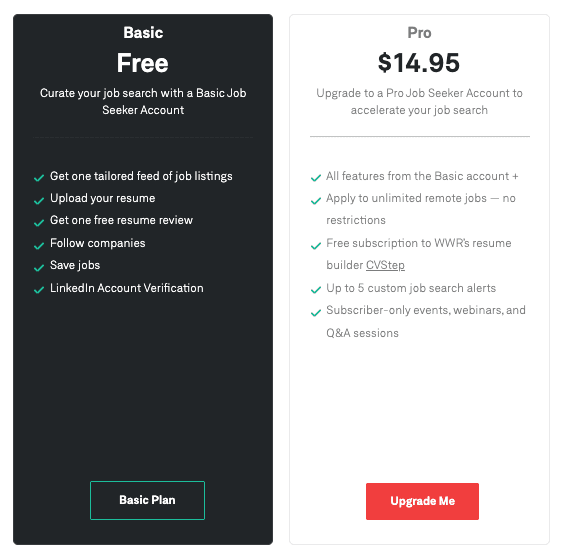
We Work Remotely requires job seekers to create an account to browse and apply for remote jobs. According to the platform’s Job Seeker FAQ, access is provided through a paid subscription model.
New users are offered an introductory rate for the first month, after which the subscription renews at a monthly fee as part of a 12-month membership. The subscription provides access to verified remote job listings, job alerts, and other account features.
While some users may encounter limited access before subscribing, full job browsing and application functionality requires a paid account. Pricing and access terms can change, so it’s best to review current details directly on We Work Remotely before signing up.
Importantly, employers, not candidates, pay to post jobs, and no payment is ever required to be hired.
Pros and Cons of We Work Remotely
Pros
Large volume of legitimate remote jobs
Long-standing reputation in remote work
Many roles from remote-first companies
Simple interface with minimal friction
Cons
High competition due to popularity
Limited filtering compared to some niche job boards
Paid subscription required for full job access and applications
Is We Work Remotely Safe to Use?
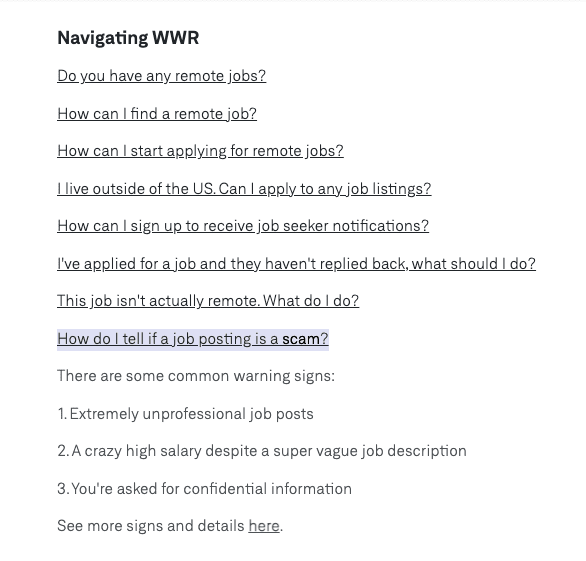
We Work Remotely itself is safe to use, but, like all large job boards, it can occasionally be targeted by scammers impersonating legitimate companies.
Common red flags include:
Requests for upfront payments or “equipment fees”
Communication that avoids official company channels
Vague job descriptions with unrealistic compensation
Job seekers should always verify employers independently and never send money or sensitive personal information early in the hiring process.
Who We Work Remotely Is Best For
We Work Remotely is a strong fit for:
Experienced remote professionals
Candidates in tech, product, design, or marketing
Job seekers comfortable applying to competitive roles
People who prefer a simple, focused job search experience
It may be less suitable for:
Entry-level candidates
Job seekers who rely heavily on advanced filters
Those looking only for guaranteed free, unlimited applications
If your main goal is landing a higher-paying remote role, it can help to step back and look at which remote jobs actually tend to pay the most. This breakdown of high-paying remote roles gives a good sense of where salaries are strongest before you start applying.
Alternatives to We Work Remotely
If you’re exploring multiple platforms, common alternatives include:
Remote100K – A remote job board for high-paying jobs over $100k
Remote OK – A large remote job board with lots of engineering and startup roles
Remotive – Curated remote jobs, mainly focused on tech and digital roles
Working Nomads – Aggregates remote jobs from many sources into one feed
NoDesk – A smaller remote job board focused on fully remote-first companies
Final Verdict: Is We Work Remotely Worth Using?
Yes, We Work Remotely is a legitimate and worthwhile remote job board in 2026. It offers access to real remote jobs from established companies and has a long track record in the remote hiring space.
While competition can be intense and full access requires a paid subscription, the platform remains a solid option for serious job seekers, especially when used alongside other remote job boards as part of a broader search strategy.