Is LinkedIn Legit? A 2026 Review
LinkedIn is often the first platform people think of when job searching, but it’s also one of the most misunderstood. Is it a job board? A social network? A personal branding tool? Or all three?
With hundreds of millions of users, recruiter-driven hiring, and both free and paid job-seeking features, many candidates wonder:
Is LinkedIn actually legit for finding jobs, or is it just noise and networking hype?
Short answer: Yes, LinkedIn is absolutely legitimate. It’s one of the most widely used hiring platforms in the world. That said, it works very differently from traditional job boards, and results depend heavily on how you use it.
This review explains how LinkedIn works for job seekers, job quality, remote roles, Premium vs free accounts, safety, pros and cons, and who benefits most from using it in 2026.
What Is LinkedIn?
LinkedIn is a professional networking platform that combines job listings, recruiter outreach, and personal branding into one ecosystem. Employers use it to post jobs, search for candidates, and contact potential hires directly. Job seekers use it to apply for roles, build visibility, and signal availability to recruiters.
Unlike niche job boards, LinkedIn covers every industry, seniority level, and work arrangement, including:
In-office roles
Hybrid jobs
Fully remote positions
It’s used by startups, mid-sized companies, and nearly every Fortune 500 employer. For many companies, LinkedIn is not just a hiring channel, it’s their primary sourcing tool.
Is LinkedIn Legit?
Yes, LinkedIn is one of the most legitimate job platforms available.
Companies post real jobs, recruiters actively source candidates, and applications are tied to verified employer accounts. Many roles posted on LinkedIn never appear on other job boards, especially for corporate, managerial, and senior-level positions.
However, LinkedIn is not curated in the same way as smaller platforms. Because of its scale, job quality and response rates can vary widely depending on the role, company, and competition. Success often depends less on how many jobs you apply to and more on how visible and searchable your profile is.
Want to skip the manual applying?
Whichever platform you use, applying to remote roles one at a time takes hours. JobCopilot works differently: upload your resume once and it applies to matched remote roles for you every day, so you can spend your time on interviews instead of application forms. See how it works.
How LinkedIn Works for Job Seekers
LinkedIn functions differently from most job boards because it blends applications and inbound opportunities.
Here’s how job seekers typically use it:
1. Build a professional profile
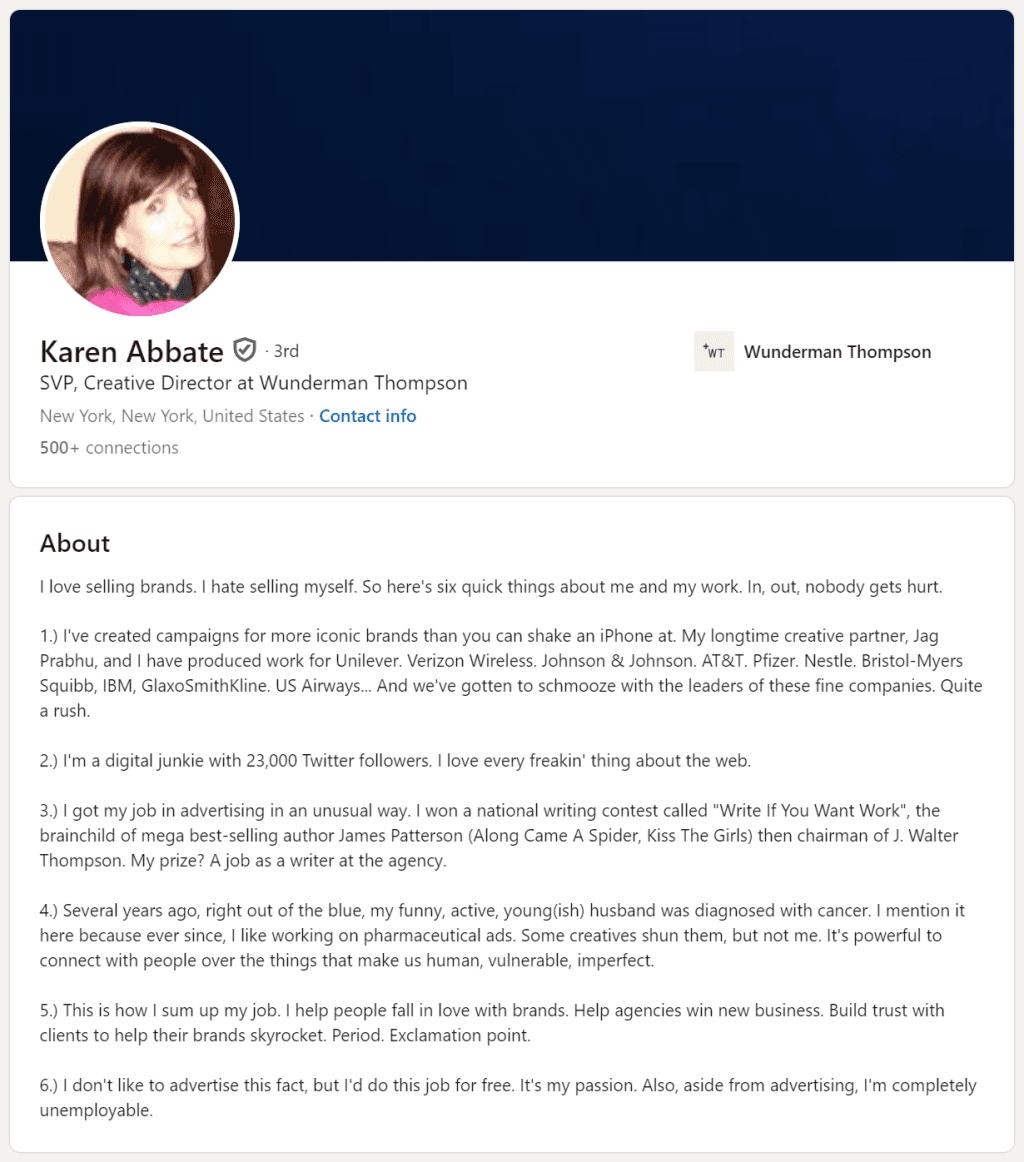
Your profile acts as both a resume and a discovery tool. Recruiters search LinkedIn constantly using keywords tied to skills, titles, and experience.
2. Search and apply to jobs
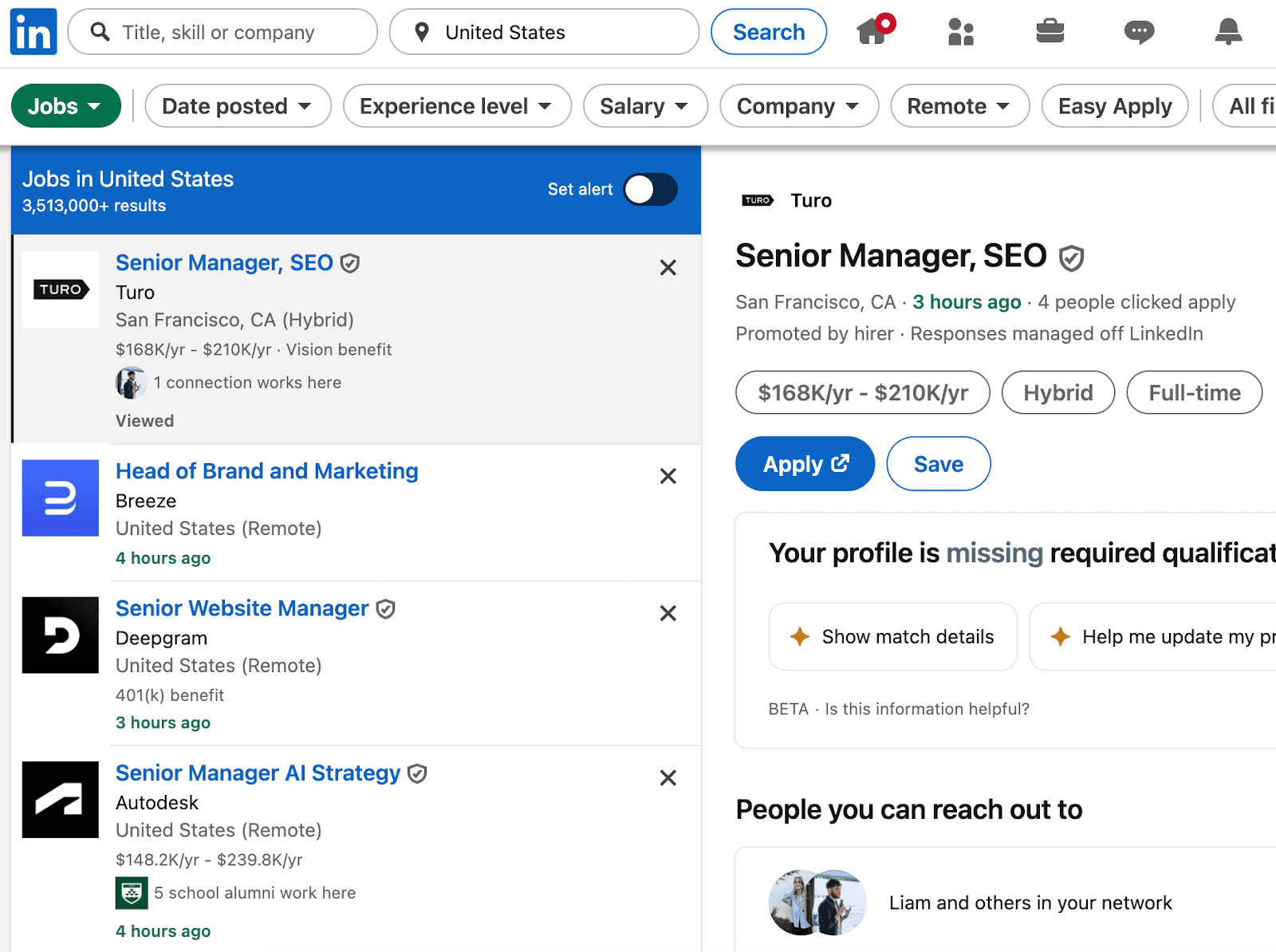
LinkedIn Jobs allows filtering by role, location, experience level, and remote eligibility. Many roles offer Easy Apply, letting candidates submit applications in minutes.
3. Get discovered by recruiters
Recruiters can message candidates directly, especially if you mark yourself as “Open to Work” or match their search criteria.
4. Network strategically
Connections, referrals, and direct messages often lead to interviews faster than cold applications.
What sets LinkedIn apart is that applications are only one part of the system. Recruiters frequently fill roles through direct outreach before reviewing the full applicant pool. Candidates with optimized headlines, clear role targeting, and recent activity often receive interview requests without applying at all.
LinkedIn also surfaces candidates based on engagement signals such as profile completeness, keyword relevance, and recent interactions. Even small actions like updating a role description or engaging with industry posts, can improve discoverability. For job seekers, LinkedIn rewards positioning and visibility, not just volume.
Job Quality and Types of Roles
LinkedIn hosts an enormous range of roles, including:
Entry-level to executive positions
Corporate, startup, and nonprofit jobs
Technical and non-technical roles
Contract, freelance, and full-time work
Because employers post directly, quality varies. Some listings are highly competitive with thousands of applicants, while others receive little attention.
LinkedIn tends to perform best for:
Corporate and mid-to-senior roles
Management, sales, marketing, and operations
Tech and professional services
Roles where referrals matter
Well-written listings with clear responsibilities, salary ranges, and recent posting dates are generally higher quality. Roles posted by internal recruiters or named hiring managers tend to have better response rates than generic or reposted listings. Learning to quickly evaluate postings is an important skill when using LinkedIn at scale.
Remote Jobs on LinkedIn
LinkedIn is not remote-only, but it’s one of the largest sources of remote jobs globally.
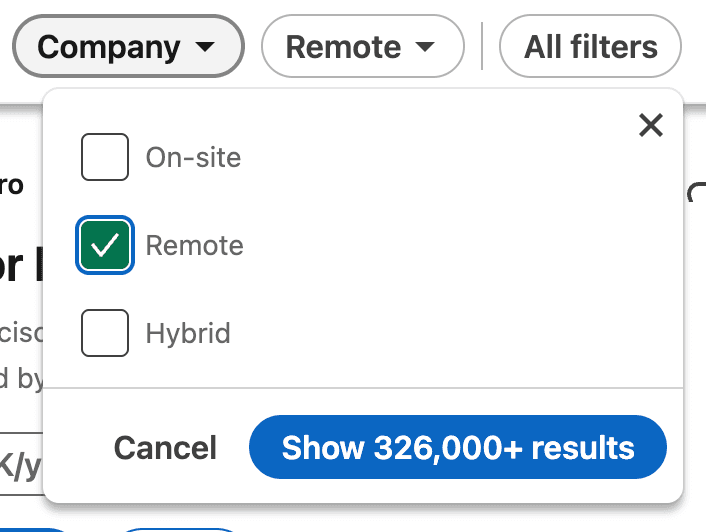
Job seekers can:
Filter by “Remote” in job search
Find remote, hybrid, and location-flexible roles
See roles open to international applicants
Follow remote-first companies
Compared to niche remote job boards, LinkedIn’s advantage is company diversity. Many large employers post remote roles exclusively on LinkedIn, especially for corporate, technical, and leadership positions. These roles often offer stronger benefits and stability, but they also attract significantly more competition.
For remote job seekers, LinkedIn works best when combined with saved searches, alerts, and consistent monitoring rather than one-off applications.
LinkedIn Free vs. Premium Career
LinkedIn offers a free account and several paid plans. For job seekers, the most relevant upgrade is LinkedIn Premium Career.
Free LinkedIn Account
With a free account, you can:
Apply to jobs
Network with professionals
Be discovered by recruiters
Use basic job filters
For many job seekers, this is enough, especially when paired with a strong profile and active networking.
LinkedIn Premium Career
Premium Career adds:
InMail messages to recruiters
Visibility into who viewed your profile
“Top applicant” and “Top choice” job insights
Advanced job and people filters
AI-powered job fit and profile suggestions
Access to LinkedIn Learning courses
Premium is most useful during short, focused job searches rather than long-term passive use. Features like applicant insights and InMail help candidates prioritize where to apply and who to contact. However, Premium works best when paired with an optimized profile, it doesn’t replace fundamentals.
Is LinkedIn Free for Job Seekers?
Yes, LinkedIn is free to use for job searching.
Premium Career is optional and billed monthly, with free trials often available. Paying does not guarantee interviews, but it can improve visibility and access to information during competitive searches.
Pros and Cons of LinkedIn
Pros
Massive number of job listings
Recruiter-driven hiring
Strong remote and hybrid job presence
Useful networking and referral opportunities
Free to use at a basic level
Works across nearly every industry
Cons
Very competitive roles
High application volume
Not curated for job quality
Requires ongoing profile optimization
Can feel noisy without a clear strategy
Is LinkedIn Safe to Use?
Yes, LinkedIn is generally safe.
Employer accounts are verified, and scam risk is lower than on anonymous job boards. That said, fake recruiters and misleading listings can still exist at scale.
Best practices include:
Verifying company profiles
Avoiding requests for upfront payments
Keeping communication on-platform initially
These precautions apply to any large hiring platform.
Who LinkedIn Is Best For
LinkedIn is ideal for:
Professionals at any career stage
Corporate and mid-to-senior job seekers
People who benefit from networking and referrals
Remote and hybrid job seekers
Candidates open to recruiter outreach
It’s especially powerful when used proactively rather than passively.
Who It May Not Be Ideal For
LinkedIn may be less effective if you:
Want only highly curated listings
Prefer niche or salary-filtered job boards
Are mass-applying without networking
Want low-competition roles
In those cases, LinkedIn works best when paired with more specialized platforms.
Alternatives to LinkedIn
LinkedIn is broad by design, but combining it with focused job boards can improve results and reduce noise.
Using LinkedIn alongside niche platforms gives you access to both scale and quality.
Final Verdict: Is LinkedIn Worth Using in 2026?
Yes, LinkedIn remains one of the most legitimate and powerful job-search platforms available.
It’s not just a job board; it’s a discovery engine where visibility, networking, and timing matter as much as applications. While it requires more strategy than smaller platforms, LinkedIn consistently delivers opportunities across industries, including remote roles.
Used intentionally, LinkedIn is still a must-have tool for job seekers in 2026.